
Roof Replacement Cost in Milwaukee
If your roof is old, leaking, storm-damaged, or losing shingles, you may be asking: how much does roof replacement cost in Milwaukee?
For many Milwaukee homes, online cost estimates often place roof replacement somewhere around the mid-thousands to low five figures. A simple asphalt shingle roof may fall around $6,000 to $13,000, while larger, steeper, complex, or storm-damaged roofs can reach $15,000 to $20,000 or more.
Those numbers are only starting points. Your actual Milwaukee roof replacement cost depends on roof size, roof pitch, material choice, tear-off needs, decking condition, ventilation, flashing, labor, access, permits, and whether storm damage is involved.
This guide explains the main roofing cost factors in Milwaukee so you can understand what affects the price before requesting an estimate.
Schedule a Free Roof Inspection
View Roof Replacement in Milwaukee
View Milwaukee Roofing Services
Quick Answer: How Much Does Roof Replacement Cost in Milwaukee?
A typical roof replacement cost in Milwaukee often ranges from about $6,000 to $13,000 for many average homes. A common 2,000 sq ft asphalt shingle roof may fall around $7,800 to $9,000, depending on the roof’s layout, pitch, layers, materials, and condition.
Larger roofs, steep roofs, metal roofs, damaged decking, complex flashing, or storm-related replacement work can cost more. Some larger or higher-end projects may reach $15,000 to $20,000+.
The safest way to get an accurate number is to inspect the roof first. A roof that looks simple from the ground may have hidden decking damage, old layers, poor ventilation, or flashing problems.
If you want a real estimate for your home, start with a free roof inspection.
Typical Roof Replacement Cost Ranges in Milwaukee
The table below gives a general way to think about cost. It is not a final quote.
| Roof Scenario | Common Cost Direction |
|---|---|
| Small/simple asphalt shingle roof | Lower cost range |
| 1,300 sq ft roof replacement | Usually lower than an average 2,000 sq ft roof, if simple |
| 2,000 sq ft asphalt shingle roof | Often mid-thousands to low five figures |
| 3,000+ sq ft roof | Often higher, especially if steep or complex |
| Steep or complex roof | Higher labor and safety cost |
| Multiple old roof layers | Higher tear-off and disposal cost |
| Damaged decking | Higher final cost |
| Metal roof | Usually much higher than asphalt shingles |
| Storm-damaged roof | Scope may change after inspection |
The exact price depends on what the roof needs, not just the home’s square footage.
Main Roof Replacement Cost Factors in Milwaukee
Roof Size
Roof size is one of the biggest cost factors. Larger roofs need more shingles, underlayment, flashing, fasteners, labor, disposal, and cleanup.
Roofing is usually estimated by roof surface area, not just home square footage. A two-story home, steep roof, or complex roof shape can increase the total roof area.
Roof Pitch and Height
Roof pitch affects labor, safety setup, and installation difficulty.
A low-slope roof may need special drainage attention. A steep roof may require more time, equipment, and safety work. Roof height also matters because taller homes can increase setup complexity.
Tear-Off and Old Roof Layers
Tear-off means removing the old roofing before installing the new system.
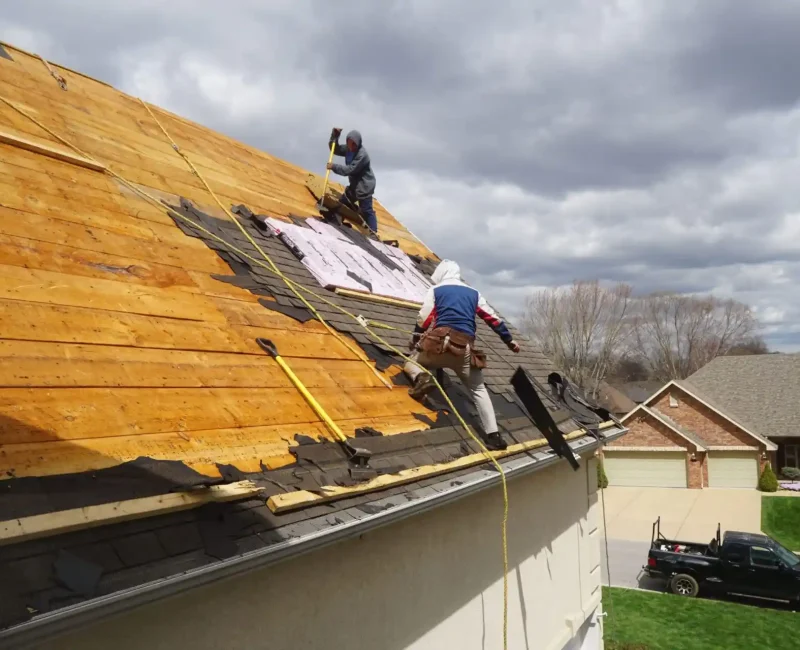
A roof with one old layer may cost less to remove than a roof with multiple layers. Tear-off also allows the roofer to check decking, underlayment, flashing, and hidden damage before installing the new roof.
Decking Condition
Decking replacement can raise the final cost if the wood under the shingles is soft, rotted, delaminated, or damaged by leaks.
Decking problems are not always visible from the ground. They are often found during inspection or tear-off.
Roofing Materials
Roofing materials affect both price and long-term value.
Common options include:
- asphalt shingles
- architectural shingles
- metal roofing
- specialty roofing materials
- underlayment
- ice and water shield
- flashing
- ridge vents
- drip edge
Asphalt shingles are usually the common residential option. Architectural shingles can cost more than basic shingles but may offer better durability and appearance.
Flashing, Valleys, and Roof Transitions
Flashing protects roof transitions near chimneys, walls, vents, skylights, and valleys.
If the roof has many valleys, chimney areas, dormers, or wall transitions, the project may require more detail work. Poor flashing can cause leaks even when the shingles are new.
Ventilation
Ventilation can affect attic moisture, roof temperature, shingle performance, and long-term roof health.
If ventilation is poor, the replacement estimate may include ridge vents, intake ventilation, or related improvements.
Ice and Water Protection
Milwaukee winters can create snow, ice, and freeze-thaw pressure near roof edges and valleys.
Ice and water shield may be important in leak-prone or ice-prone areas. This can affect cost, but it can also protect vulnerable roof sections.
Milwaukee Winter Conditions Can Affect Roof Replacement Cost
Milwaukee winter roof damage can affect roof replacement cost when snow, ice, wind, rain, and freeze-thaw cycles expose weak flashing, old shingles, roof-edge problems, attic moisture, and drainage issues.
Winter damage can increase the scope when it causes:
- soft decking
- roof-edge damage
- ice-dam staining
- attic moisture
- damaged underlayment
- gutter or fascia problems
- repeated leak areas
If winter damage is present, the roof may need more than shingles. It may need better flashing, ventilation, underlayment, or ice protection.
Learn more about ice dam removal in Milwaukee.
Storm Damage Can Change the Estimate
Storm damage roof replacement concerns can change the estimate quickly.
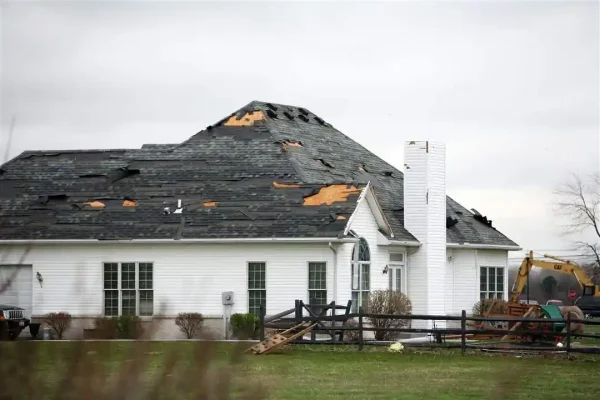
Hail damage and wind damage may affect shingles, flashing, vents, ridge areas, gutters, and exposed roof sections. A few damaged shingles may only need repair. Widespread storm damage may lead to a larger roofing scope.
If insurance may be involved, photos and written findings matter. Coverage depends on the policy, damage cause, deductible, roof age, adjuster review, and coverage terms.
Helpful next pages:
Roof Replacement Cost vs Roof Repair Cost
A repair usually costs less upfront because it targets a smaller area.
A replacement costs more because it covers a larger roof system, more labor, more materials, disposal, and sometimes decking or ventilation work.
But price alone should not decide the answer.
Roof repair may be smarter when the problem is isolated and the rest of the roof still has useful life.
Roof replacement may be smarter when the roof is old, repeatedly leaking, badly worn, or no longer worth repairing.
If you are comparing roof repair vs replacement, read Roof Repair vs Replacement in Milwaukee.
How Estimate Your Roof Replacement Cost
Online roof calculators can help you understand the general cost range, but they cannot see every detail of your roof.
To estimate your roof replacement cost, you need to know:
- approximate roof size
- roof pitch
- number of old layers
- shingle type
- whether tear-off is needed
- whether decking is damaged
- flashing and chimney details
- ventilation needs
- roof access
- storm damage history
- permit or code requirements
For example, a simple 1,300 sq ft roof replacement cost will usually be different from a steep 2,000 sq ft roof with damaged decking or complex flashing.
The more complex the roof, the less useful a simple online calculator becomes.
When a Lower Roof Replacement Estimate Can Be Risky
A lower estimate is not always bad. But it should still explain the full scope.
Be careful if an estimate does not clearly show:
- shingle type
- underlayment
- ice and water shield
- tear-off scope
- decking policy
- flashing details
- ventilation details
- cleanup and disposal
- warranty information
- permit or code handling
- payment terms
A low price can become expensive if it skips important roof-system details.
How to Compare Roof Replacement Estimates
When comparing a roof replacement estimate in Milwaukee, do not only compare the final number.
Compare:
- what materials are included
- whether old roofing will be removed
- how decking is handled
- how flashing is replaced or repaired
- whether ventilation is addressed
- whether ice protection is included
- how cleanup is handled
- what warranty is included
- whether storm damage is documented
- whether the contractor is licensed and insured
A good estimate should help you understand what you are paying for and why.
Does a Milwaukee Roof Replacement Need a Permit?
A Milwaukee roofing permit may depend on project scope, property type, and local requirements.
Roofing work may involve different requirements depending on whether the project is a small repair, recover, or full replacement. Larger-scope work, structural concerns, decking replacement, low-slope roofing, or insurance-related work may need closer review.
Before approving major roof replacement work, ask the contractor how permits, code requirements, inspections, and project scope will be handled.
What Is Included in a Roof Replacement Estimate?
A complete roof replacement estimate may include:
- roof measurement
- tear-off and disposal
- underlayment
- ice and water shield
- shingles
- flashing
- drip edge
- vents
- ridge cap
- pipe boots
- fasteners
- decking replacement terms
- labor
- cleanup
- warranty details
Not every roof needs the same scope. That is why a roof inspection matters before final pricing.
How Roof Material Choice Affects Cost
Asphalt Shingles
Asphalt shingles are common for Milwaukee homes. They are usually practical, familiar, and cost-effective compared with premium materials.
Architectural Shingles
Architectural shingles may cost more than basic shingles, but they often provide better appearance and stronger performance.
Metal Roofing
Metal roofing usually costs more upfront than asphalt shingles. Some homeowners consider it for long-term durability, weather resistance, and appearance.
A metal roof cost estimate can be much higher than an asphalt shingle estimate because metal material, installation details, trim, fasteners, and labor are different.
Specialty Materials
Slate, tile, cedar, or other specialty materials can cost more and may require specific installation experience, structural review, or maintenance planning.
How Much Does a Metal Roof Cost for a 2,000 Sq Ft House?
A metal roof cost for a 2,000 sq ft house is usually higher than asphalt shingles. In many cases, it can cost roughly twice as much or more, depending on the product, roof pitch, trim details, installation method, and complexity.
Metal roofing may make sense for some homeowners, but it is not always the best budget choice. If your main goal is affordability, asphalt shingles are usually the more practical option.
If your goal is long-term durability, ask for a clear comparison between asphalt shingles, architectural shingles, and metal roofing.
Is $30,000 Too Much for a Roof?
Not always.
A $30,000 roof may be high for a small, simple asphalt shingle roof. But it may be possible for a larger, steep, complex, damaged, or premium-material roof.
Before judging the price, compare:
- roof size
- roof pitch
- number of layers
- materials
- decking work
- flashing details
- ventilation
- warranty
- cleanup
- permits
- storm damage
- access and safety needs
The better question is not only “Is this too much?” It is:
What exactly is included in this estimate?
28+
Years of Experienced
Can Insurance Cover Roof Replacement?
Insurance may help when roof damage is caused by a covered event such as hail, wind, falling debris, or sudden storm damage. Normal wear, age, and maintenance issues are usually handled differently.
If storm damage may be involved, the first step is to document the roof condition. Photos, written findings, and a clear scope can help homeowners understand what happened before moving forward.
When to Schedule a Roof Replacement Inspection
Schedule a Milwaukee roof inspection if you notice:
- repeated leaks
- missing shingles
- curling shingles
- granule loss
- ceiling water stains
- soft or sagging areas
- hail impact
- wind damage
- old roofing layers
- roof-edge ice damage
- water near attic insulation
- recurring flashing problems
A roof inspection helps separate a normal repair from a replacement concern.
Schedule a free roof inspection.
How Absolute Restorations Helps With Roof Replacement Cost Questions
These cost guides are published by Absolute Restorations, a Milwaukee-area roofing and exterior restoration company helping homeowners understand roof replacement, repair, inspections, storm damage, and ice-dam concerns before choosing the next step.
We help homeowners by:
- Checking the roof condition.
- Explaining visible damage.
- Identifying cost factors.
- Separating repair issues from replacement concerns.
- Documenting storm-related damage when needed.
- Helping homeowners understand the next step.
If your roof needs replacement, we will explain why. If repair may still be enough, we will explain that too.
Quick Cost Factor Table
| Cost Factor | Why It Matters |
|---|---|
| Roof size | More roof area means more labor and material |
| Roof pitch | Steeper roofs can require more time and safety setup |
| Tear-off | Removing old layers adds labor and disposal |
| Decking replacement | Damaged wood can add replacement cost |
| Roofing materials | Asphalt, architectural, metal, and specialty materials vary |
| Flashing | Chimneys, valleys, vents, and walls need careful detail work |
| Ventilation | Poor ventilation may need correction |
| Ice protection | Milwaukee winters can require stronger roof-edge protection |
| Storm damage | Hail or wind can change the scope |
| Permits | Requirements depend on project scope and property type |
How This Guide Connects to Our Roofing Services
This guide helps you understand cost factors. The next step depends on what your roof actually needs.
If your roof may need replacement, visit roof replacement in Milwaukee.
If the damage may be repairable, visit roof repair in Milwaukee.
If you are unsure, schedule a roof inspection in Milwaukee.
If storm damage may be involved, visit storm damage roofing in Milwaukee.
For the full roofing service overview, visit Milwaukee roofing services.
For more homeowner guides, visit Milwaukee roofing resources.
Need a Roof Replacement Estimate in Milwaukee?
If your roof is old, leaking, storm-damaged, or showing signs of failure, do not rely on guesswork.
Absolute Restorations can inspect the roof, explain the cost factors, and help you understand whether replacement, repair, storm documentation, or monitoring is the right next step.
Schedule a Free Roof Inspection
Contact Absolute Restorations
FAQs
Roof replacement cost in Milwaukee often falls around the mid-thousands to low five figures for many homes. A simple asphalt shingle roof may cost less, while a large, steep, complex, or damaged roof can cost much more. A roof inspection is the best way to get an accurate estimate.
A 2,000 sq ft roof replacement in Milwaukee is often estimated around the upper mid-thousands to low five figures for asphalt shingles, depending on pitch, layers, materials, decking, flashing, and access. Complex roofs or storm-damaged roofs can cost more.
A 1,300 sq ft roof replacement cost is usually lower than a larger roof if the roof is simple, low-slope, and in good condition. The price can increase if there are multiple layers, damaged decking, steep pitch, or premium materials.
Roof size is usually one of the biggest factors because it affects material, labor, disposal, and installation time. Roof pitch, material choice, tear-off, decking condition, and project complexity can also change the final price.
A strong estimate should explain materials, tear-off, underlayment, ice and water shield, flashing, ventilation, decking terms, cleanup, warranty, payment terms, and any permit or code-related responsibilities.
A metal roof cost for a 2,000 sq ft house is usually much higher than asphalt shingles. The final price depends on the metal product, installation method, roof pitch, trim details, access, and complexity.
Not always. A $30,000 roof may be high for a small simple asphalt roof, but it may be possible for a large, steep, complex, damaged, or premium-material roof. Compare the scope before judging the price.
Yes. Tear-off adds labor and disposal costs. It also helps reveal hidden issues such as damaged decking, old leaks, or weak roof areas before the new roofing system is installed.
Yes. Decking replacement can increase the final price if the wood under the shingles is soft, rotted, delaminated, or damaged by leaks. Some decking issues are only found after old roofing is removed.
Yes. Storm damage can affect shingles, flashing, vents, gutters, decking, and underlayment. It may also require photos, written findings, and insurance-related documentation.
Insurance may help if the damage is from a covered event such as hail, wind, falling debris, or sudden storm damage. Normal aging, wear, and maintenance problems are usually handled differently. Review your policy and claim process with your insurer.
Permit needs can depend on project scope, property type, and local requirements. Ask your contractor how permits, code requirements, and inspections will be handled before approving major roofing work.
Repair may be better when the problem is small and the rest of the roof still has useful life. Replacement may be better when the roof is old, repeatedly leaking, broadly damaged, or no longer worth repairing.