
Ice Dams vs Roof Leaks
If water is showing inside your home during winter, you may be asking one important question: is it an ice dam roof leak or a normal roof leak?
The answer matters. An ice dam usually starts near the roof edge when melted snow refreezes and blocks drainage. A normal roof leak may come from damaged shingles, flashing, vents, valleys, chimneys, or old roofing materials.
This guide explains ice dams vs roof leaks, how to tell the difference, what signs to check first, what to do during an active leak, and when to schedule a professional roof inspection.
Schedule a Free Roof Inspection
View Ice Dam Removal in Milwaukee
View Roof Repair in Milwaukee
Quick Answer: Is It an Ice Dam or a Roof Leak?
It may be an ice dam roof leak if water appears during snow melt, near exterior walls, roof edges, upper-floor ceilings, attic edges, or after ice builds up along gutters and eaves.
It may be a normal roof leak if water appears during rain, near chimneys, vents, valleys, skylights, flashing, missing shingles, or the same area leaks in multiple seasons.
It may be attic condensation if you see frost, damp insulation, or moisture inside the attic without a clear roof-entry point.
If water is actively entering the home, do not wait. You may need inspection, temporary roof protection, ice-dam help, or roof repair.
What Is an Ice Dam?
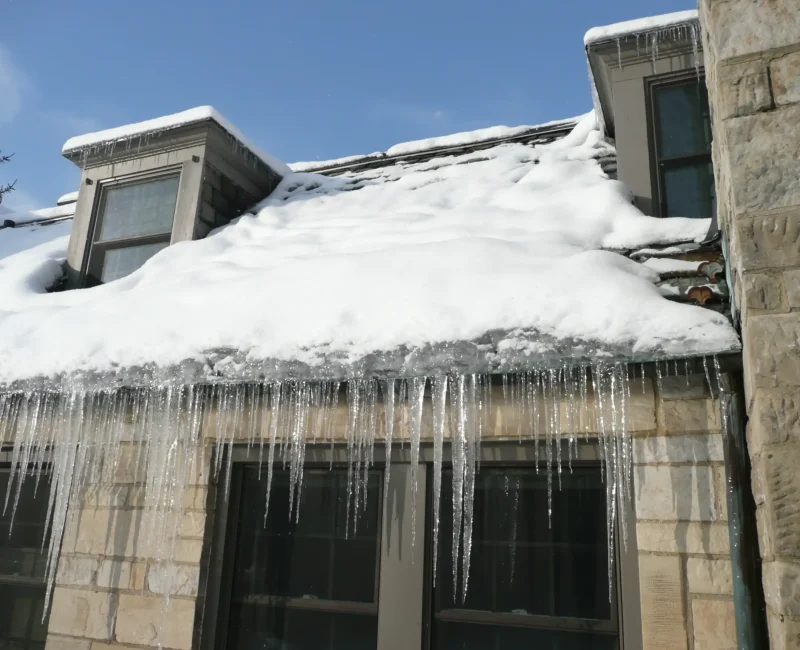
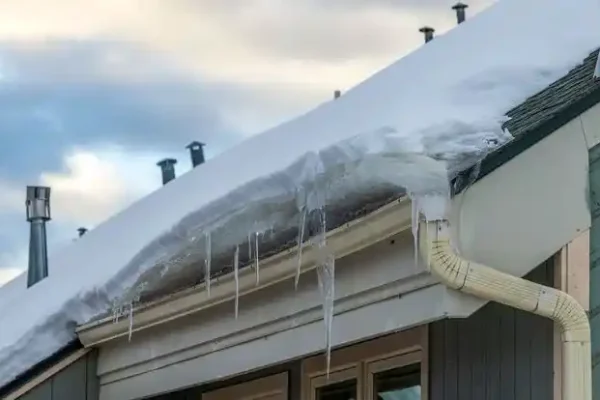
An ice dam forms when snow melts on a warmer part of the roof, runs down toward the colder roof edge, and refreezes near the eaves or gutters.
As more meltwater reaches the frozen edge, ice builds up and blocks normal drainage. Water can then back up under shingles or other roofing materials and leak into the home.
Ice dams are often connected to:
- heat escaping into the attic
- uneven roof temperatures
- poor attic insulation
- poor attic ventilation
- missing attic air sealing
- heavy snow on the roof
- clogged or frozen gutters
- freeze-thaw cycles
- roof edge ice buildup
In Milwaukee, winter water problems often need both a roof check and an attic/ventilation review.
How Ice Dams Cause Roof Leaks
Ice dams cause leaks by trapping meltwater behind a wall of ice.
The water has nowhere to drain, so it can move backward under shingles, underlayment, flashing, or roof-edge materials. Once water gets past the roof surface, it can enter the attic, insulation, walls, ceilings, or exterior wall areas.
This is why an ice dam can cause water damage even when there is no rain.
Common interior signs include:
- water stains near exterior walls
- water dripping near ceiling edges
- damp insulation near attic edges
- peeling paint near upper walls
- water around recessed lights
- water near ceiling fans
- stains during snow melt
- repeated winter-only leaks
If water appears near electrical fixtures, treat it as urgent.
What Is a Normal Roof Leak?
A normal roof leak usually comes from a weak point in the roofing system.
Common sources include:
- damaged shingles
- missing shingles
- loose flashing
- chimney flashing problems
- vent pipe leaks
- roof valley leaks
- skylight leaks
- old roof materials
- storm damage
- poor previous repairs
- worn roof penetrations
A normal roof leak can happen in winter, spring, summer, or fall. It may show during rain, wind-driven rain, snow melt, or after a storm.
Learn more about roof repair in Milwaukee.
Ice Dam Leak vs Roof Leak: Main Differences
| Sign | More Likely Ice Dam | More Likely Roof Leak |
|---|---|---|
| Water appears during snow melt | Yes | Possible |
| Water appears during rain | Possible | Yes |
| Leak is near exterior wall | Common | Possible |
| Ice is visible at roof edge | Common | Not required |
| Large icicles are present | Possible sign | Not required |
| Leak is near chimney or vent | Less likely | Common |
| Leak happens in every season | Less likely | More likely |
| Attic has frost or dampness | Possible | Possible |
| Missing shingles are visible | Not typical | Common |
| Flashing is damaged | Possible | Common |
This table is a starting point. A professional inspection may still be needed because ice dam leaks, standard roof leaks, and attic condensation can overlap.
Signs You May Have an Ice Dam Roof Leak
An ice dam roof leak often appears during or after snow melt.
Common signs include:
- water stains near exterior walls
- ceiling stains near roof edges
- wet insulation near attic edges
- large icicles along gutters
- ice buildup at eaves
- frozen gutters
- water dripping during thawing
- water around recessed lights
- water near ceiling fans
- peeling paint near upper walls
- damp drywall after snow melt
- roof edge ice buildup
- repeated winter-only leaks
An ice dam does not always mean the whole roof needs replacement. The first step is to understand whether water is backing up because of ice or entering through damaged roofing materials.
Signs You May Have a Roof Leak Instead
A standard roof leak may show up during rain, snow melt, or storms.
Common signs include:
- ceiling stains below a chimney
- stains near vents or skylights
- water after rain
- missing shingles
- lifted shingles
- cracked shingles
- granules in gutters
- damaged flashing
- damp attic decking
- repeated leaks in the same spot
- water trails from a roof penetration
If the leak happens outside winter too, the issue may be a normal roofing problem rather than only an ice dam.
Learn more about How to Find a Roof Leak.
Attic Condensation vs Roof Leak
Sometimes a winter moisture problem is not a direct roof leak.
Attic condensation vs roof leak confusion is common because both can create stains, damp insulation, or water marks. Condensation can happen when warm, moist indoor air reaches a cold attic surface. That moisture may freeze, then melt later and look like a leak.
Signs of attic condensation may include:
- frost on roof nails
- frost on underside of roof decking
- damp attic insulation
- moisture without a clear roof hole
- musty attic smell
- moisture near bathroom fans or vents
- widespread attic dampness
- water marks after temperature changes
Condensation is different from an active roof opening, but it can still damage insulation, decking, and interior finishes. A roof inspection may need to include attic ventilation, insulation, and air-leak checks.

Why Milwaukee Homes Get Ice Dams
Milwaukee winters create the right conditions for ice dams: snow, cold roof edges, warmer roof surfaces, and freeze-thaw cycles.
Ice dam risk can increase when:
- heat escapes into the attic
- insulation is weak or uneven
- attic ventilation is poor
- bathroom fans vent into the attic
- gutters are clogged
- snow stays on the roof
- roof valleys hold snow
- roof edges freeze before meltwater drains
- past roof repairs changed drainage
- the home has complex roof lines
This is why Milwaukee winter roof damage should be reviewed as a system problem, not just a surface shingle issue.
Freeze-Thaw Roof Damage
Freeze-thaw roof damage happens when water enters small gaps, freezes, expands, and worsens the opening.
This can affect:
- shingles
- flashing
- gutters
- valleys
- roof edges
- fasteners
- chimney areas
- siding edges
- attic moisture areas
Freeze-thaw damage can make a small winter issue worse over time. A leak that seems minor in January can turn into a larger repair problem by spring.
Where Ice Dam Leaks Usually Show Inside the Home
Ice dam leaks often show near the roof edge, but not always directly under the ice.
Check for:
- stains near exterior walls
- wet drywall near the top of a room
- water near windows on upper floors
- moisture along ceiling edges
- stains near attic knee walls
- wet insulation near eaves
- peeling paint near outer walls
- water that appears after snow begins melting
If water is showing in the middle of a room, near a chimney, near a vent, or during rain, the issue may be a roof leak from another source.
Can Ice Dams Cause Roof Leaks?
Yes. Ice dams can cause water to back up under roof materials and enter the home.
This does not always mean the roof was installed incorrectly. Ice dams often involve a mix of attic heat, insulation, ventilation, gutter drainage, snow buildup, and roof-edge freezing.
However, damaged shingles, poor flashing, old underlayment, or weak roof edges can make ice-dam leaks worse.
That is why the right answer may include ice-dam removal, roof repair, attic review, or all three.
Can a Roof Leak Cause Ice Dams?
Usually, a roof leak does not cause an ice dam. The ice dam usually forms because of melting and refreezing snow.
But an existing roof problem can make water damage worse once ice forms.
For example:
- damaged shingles can allow backed-up water to enter faster
- weak flashing can leak during snow melt
- poor roof edges can worsen water entry
- clogged gutters can hold ice longer
- old underlayment may not resist backed-up water well
A roof can have both an ice-dam problem and a roof-repair problem at the same time.
Ice Dam, Roof Leak, or Both?
Sometimes the answer is not one or the other.
A homeowner may have:
- ice buildup at the roof edge
- old shingles
- poor flashing
- clogged gutters
- attic heat loss
- a leak during snow melt
- previous repair areas
- moisture around roof penetrations
In that case, removing ice may stop the immediate water backup, but the roof may still need repair. Or the roof may be sound, but attic insulation and ventilation need attention to reduce future ice-dam risk.
A professional roof inspection helps separate these causes.
What to Check From the Ground
Do not climb on an icy or snow-covered roof. Start from the ground.
Look for:
- heavy snow near roof edges
- large icicles
- ice-filled gutters
- roof-edge ice buildup
- uneven snow melt
- missing shingles
- lifted shingles
- roof debris
- sagging gutters
- downspouts blocked by ice
- water dripping behind gutters
- damaged fascia or soffit
Use photos and notes. They can help a roofer understand the pattern before inspecting.
What to Check Inside the Home
Inside the home, look for:
- ceiling stains near exterior walls
- wet drywall
- peeling paint
- damp window trim
- attic moisture
- wet insulation
- water near electrical fixtures
- active dripping
- stains after snow melt
- stains after rain
- musty smell
If water is near electrical fixtures or the ceiling is sagging, treat it as urgent.
Visit emergency roof tarping in Milwaukee if water is actively entering.
28+
Years of Experienced
Safe Short-Term Ice Dam Options
Short-term ice dam help should reduce water backup without damaging the roof.
Possible short-term options include:
- using a roof rake from the ground to remove snow from the lower roof edge
- hiring a professional for professional steam ice dam removal
- creating a drainage channel with calcium chloride for ice dams
- protecting the inside of the home from active water
- documenting damage with photos
- calling for emergency help if water is entering
A calcium chloride sock or nylon stocking may help melt a channel through the ice so trapped water can drain. Do not use rock salt because it can damage roofing materials, gutters, plants, and nearby surfaces.
Do not use axes, hammers, chisels, chainsaws, torches, or open flames on an ice dam. These can damage shingles, gutters, flashing, and roof edges.
Should You Remove Ice Dams Yourself?
Be careful. Ice dam removal can be dangerous.
Avoid:
- climbing on icy roofs
- chopping ice with an axe
- using a torch or open flame
- damaging shingles with sharp tools
- standing under falling ice
- overloading gutters
- using unsafe ladders in winter
Safer homeowner steps may include documenting the issue, moving belongings, placing buckets under active drips, and calling for help.
A roof rake used from the ground may help reduce snow load in some cases, but heavy ice, active leaking, or unsafe access should be handled by professionals.
How Absolute Restorations Helps With Roof Replacement Cost Questions
These cost guides are published by Absolute Restorations, a Milwaukee-area roofing and exterior restoration company helping homeowners understand roof replacement, repair, inspections, storm damage, and ice-dam concerns before choosing the next step.
We help homeowners by:
- Checking the roof condition.
- Explaining visible damage.
- Identifying cost factors.
- Separating repair issues from replacement concerns.
- Documenting storm-related damage when needed.
- Helping homeowners understand the next step.
If your roof needs replacement, we will explain why. If repair may still be enough, we will explain that too.
Short-Term Fix vs Long-Term Prevention
Short-term help may stop immediate damage. Long-term prevention reduces the chance of the problem returning.
Short-Term Ice Dam Help
Short-term help may include:
- removing snow from roof edges
- professional ice dam removal
- emergency water-control steps
- temporary roof protection
- leak inspection
- gutter and downspout clearing when safe
- calcium chloride drainage channels when appropriate
Long-Term Prevention
Long-term prevention may include:
- improving attic insulation
- sealing attic air leaks
- improving attic ventilation
- correcting bathroom fan venting
- cleaning gutters before winter
- improving roof-edge drainage
- repairing weak flashing
- checking roof valleys
- installing proper underlayment during future replacement
- considering heat cables where appropriate
The best plan depends on the home and roof condition.
Attic Insulation, Air Sealing, and Ventilation Matter
Ice dams often come from uneven roof temperatures.
The goal is to keep the roof deck cold enough that snow does not melt unevenly. That usually means reducing warm-air leakage into the attic and improving ventilation.
Important prevention areas include:
- attic insulation
- air sealing around chimneys, pipes, lights, and attic penetrations
- soffit ventilation
- ridge ventilation
- bathroom fan venting
- attic bypasses
- clear airflow near eaves
Many cold-climate homes need strong attic insulation, often around R-50 or higher depending on local requirements and home conditions. A contractor or insulation professional can confirm what your home needs.
Are Heat Cables a Good Ice Dam Solution?
Heat cables can help create a drainage path near roof edges in some homes.
They are not a full substitute for insulation, air sealing, ventilation, and drainage correction. If heat is escaping into the attic, ice dams may still return.
Heat cables may make sense as part of a larger plan, especially on problem roof edges. But the long-term fix is usually to address why the roof edge keeps freezing and why the upper roof keeps melting snow.
When Ice Dam Damage Needs Emergency Help
Ice dam damage may need urgent help if:
- water is actively entering the home
- ceiling drywall is sagging
- water is near electrical fixtures
- insulation is soaked
- ice is forcing water behind gutters
- roof decking may be exposed
- more snow or rain is expected
- interior damage is spreading
- the roof has a visible opening
If water is entering now, temporary roof protection may be needed before permanent repair.
Visit emergency roof tarping in Milwaukee.
Does Insurance Cover Ice Dam Damage?
Insurance may help if ice-dam damage causes sudden and accidental water damage, but every policy is different. Damage connected to poor maintenance, long-term neglect, or ongoing unresolved problems may be handled differently.
Homeowners should document the damage, take photos, keep receipts for temporary protection, and review policy terms with their insurance company.
If insurance documentation may be needed, visit roof insurance claims in Milwaukee.
Roof Repair or Ice Dam Removal?
The right service depends on the cause.
Ice dam removal may be needed when ice is blocking drainage and forcing water under the roof edge.
Roof repair may be needed when the leak comes from damaged shingles, flashing, vents, valleys, or a weak roof area.
A roof inspection may be needed when the cause is unclear or when both ice buildup and roof damage are possible.
Helpful next pages:
What a Roofer Should Check During a Winter Leak Inspection
A winter leak inspection should check more than the visible water stain.
A roofer should review:
- roof edges
- gutters
- downspouts
- ice buildup
- shingles
- flashing
- valleys
- vents
- chimneys
- attic moisture
- insulation signs
- ventilation concerns
- previous repair areas
- roof decking signs
- interior stains
- water path and timing
The goal is to separate an ice-dam issue from a standard roof leak, attic condensation, or a combination of problems.
How Absolute Restorations Helps With Ice Dams and Roof Leaks
This guide is published by Absolute Restorations, a Milwaukee-area roofing and exterior restoration company helping homeowners understand ice dams, winter roof leaks, roof repairs, inspections, storm damage, and emergency protection before choosing the next step.
We help homeowners by:
- Reviewing where and when the water appears.
- Checking for ice buildup and roof-edge problems.
- Looking for normal roof leak sources.
- Reviewing attic moisture signs when visible.
- Explaining whether ice dam help, roof repair, inspection, or emergency protection may be needed.
Schedule a Free Roof Inspection
How This Guide Connects to Our Roofing Services
This guide helps you understand whether the issue may be an ice dam, a roof leak, attic condensation, or a mix of problems.
If ice is blocking drainage, visit ice dam removal in Milwaukee.
If the roof may need repair, visit roof repair in Milwaukee.
If the cause is unclear, schedule a roof inspection in Milwaukee.
If water is entering now, visit emergency roof tarping in Milwaukee.
If you want the main roofing service overview, visit Milwaukee roofing services.
For more homeowner guides, visit Milwaukee roofing resources.
Quick Ice Dam vs Roof Leak Checklist
| What You Notice | More Likely Cause | Best Next Step |
|---|---|---|
| Water near exterior wall during snow melt | Ice dam | Ice-dam review |
| Leak during rain | Roof leak | Roof inspection |
| Large icicles and frozen gutters | Ice dam risk | Ice-dam removal review |
| Stain near chimney | Flashing leak | Roof repair inspection |
| Moisture in attic with frost | Condensation or ice issue | Attic/roof inspection |
| Missing shingles | Roof damage | Roof repair |
| Water actively dripping | Urgent leak | Emergency protection |
| Repeated winter-only leak | Ice dam or attic issue | Winter roof inspection |
| Leak in all seasons | Roof leak | Roof repair inspection |
| Water near ceiling fan or recessed light | Urgent electrical risk | Emergency help |
Need Help With Ice Dams or a Winter Roof Leak?
If water is showing inside your home during winter, do not guess.
Absolute Restorations can inspect the roof, check for ice buildup, review likely leak sources, and explain whether ice dam removal, roof repair, emergency protection, or further inspection is the right next step.
Schedule a Free Roof Inspection
Contact Absolute Restorations
FAQs
An ice dam forms when melted snow refreezes near the roof edge and blocks drainage. A roof leak usually comes from damaged shingles, flashing, vents, valleys, chimneys, or old roofing materials. Both can let water enter the home.
It may be from an ice dam if water appears during snow melt, near exterior walls, roof edges, attic edges, or upper-floor ceilings, especially when gutters are frozen or large icicles are present.
It may be a normal roof leak if water appears during rain, near chimneys, vents, valleys, skylights, flashing, or missing shingles. A leak that happens in multiple seasons is more likely a roofing-system issue.
Move belongings away, place a bucket under active dripping, take photos, avoid wet electrical fixtures, and call for help if drywall is sagging or water is spreading. Do not climb on an icy roof.
Calcium chloride may help melt a drainage channel through the ice when placed in a sock or nylon stocking. Do not use rock salt, and do not try this from an unsafe ladder or roof surface.
Professional low-pressure steam removal is often safer than chopping ice because it can melt the dam without cutting into shingles or gutters. Avoid axes, hammers, chainsaws, torches, and sharp tools.
Rock salt can damage roofing materials, gutters, metal components, landscaping, and nearby surfaces. Calcium chloride is generally preferred when an ice-melt drainage channel is used.
Yes. Attic condensation can create frost, damp insulation, musty smells, or water marks when warm indoor air meets cold attic surfaces. It can look like a leak, but the source is moisture inside the attic rather than water entering through the roof.
A winter-only leak may come from ice dams, attic condensation, snow melt, freeze-thaw damage, or roof-edge drainage problems. A winter inspection can help separate these causes.
Long-term prevention usually involves reducing attic heat loss, sealing air leaks, improving attic insulation, improving ventilation, keeping gutters clear, and reducing roof snow buildup when safe.
Insurance may help if the damage is sudden and accidental, but coverage depends on your policy, cause of damage, maintenance history, and claim review. Document the damage and ask your insurer how your policy applies.
You may need ice dam removal if ice is blocking drainage. You may need roof repair if the leak comes from shingles, flashing, vents, valleys, or roof damage. If the cause is unclear, start with a roof inspection.