
Window Replacement Milwaukee
Absolute Restorations installs window replacements in Milwaukee using Energy Star Most Efficient vinyl windows with a U‑factor of 0.27 across Milwaukee, West Allis, 53214, and surrounding cities. The licensed contractor (DCQ #081500053) specifies window systems for –10 °F design temperatures, 43 annual freeze-thaw cycles, and Milwaukee’s lake-effect wind exposure.
Installed pricing on this page ranges from $950 to $1,800 per window, with free window inspections available to assess energy loss, frame condition, and long-term performance.
Milwaukee window replacement should be planned around winter performance, frame stability, air infiltration control, and wind pressure. A window that performs acceptably in a milder market may still underperform in Milwaukee if the U-factor, frame construction, or installation method is too weak for the local climate. That is why this page focuses on window specs and installation details that match Milwaukee conditions.
For the broader exterior overview, use Exterior Services Milwaukee
Milwaukee Window U-Factor Requirements
Milwaukee window replacement should start with thermal performance. The first question is not style. The first question is whether the window can hold comfort, efficiency, and condensation control through Milwaukee winters.
Energy Star Most Efficient Milwaukee Winter Specs
| Window Type | U-Factor Max | SHGC Max | VT Min | Milwaukee Design Temp | Cost / Window |
|---|---|---|---|---|---|
| Double-Hung | 0.27 | 0.25 | 0.45 | -10°F | $950-$1,300 |
| Casement | 0.25 | 0.25 | 0.48 | -10°F | $1,100-$1,500 |
| Fixed Picture | 0.22 | 0.25 | 0.50 | -10°F | $900-$1,200 |
| Awning | 0.27 | 0.25 | 0.45 | -10°F | $1,000-$1,400 |
The most important performance number on this page is the U-factor 0.27 maximum. That is the working Milwaukee target used here for stronger winter window performance. It is tighter than the broader 0.30 national Energy Star reference often quoted more generally.
That difference matters because Milwaukee winters create more pressure on:
- edge condensation control
- room comfort near the glass line
- heating efficiency
- long-term thermal performance at the frame and sash
A double-hung window with U-0.27 remains a strong general residential choice.
A casement window often performs slightly tighter because of compression-style sealing.
A fixed picture window can reach the strongest glass-center performance because it does not carry an operable sash.
For Milwaukee homeowners, U-factor should be treated as one of the first screening criteria, not an afterthought.
Milwaukee Window Glass Package Comparison
| Glass Type | U-Factor | SHGC | Gas Fill | Triple Pane | Cost Adder |
|---|---|---|---|---|---|
| Double LoE-272 | 0.29 | 0.29 | Argon | No | Baseline |
| Double LoE-366 | 0.27 | 0.25 | Argon | No | +$150 |
| Triple LoE-180 | 0.24 | 0.25 | Argon | Yes | +$300 |
| Triple Krypton | 0.20 | 0.22 | Krypton | Yes | +$500 |
Glass package selection matters because the frame alone does not define performance. Milwaukee homeowners should understand the difference between double-pane argon, triple-pane argon, and triple-pane krypton before choosing a replacement package.
Double LoE-272 stays closer to a general-performance baseline.
Double LoE-366 reaches the U-0.27 target that this page treats as the Milwaukee benchmark.
Triple LoE-180 moves lower to U-0.24, which becomes more attractive for colder exposures, more comfort-sensitive rooms, and homeowners who want stronger winter efficiency.
Triple krypton delivers the strongest thermal number on the page, but it also carries the highest price adder.
The practical Milwaukee takeaway is clear:
- U-0.27 works as the stronger local target
- U-0.24 becomes the upgrade path for higher winter performance
- lower glass numbers matter most when the room already feels cold, drafty, or glass-heavy
Milwaukee Window Frame Specifications
Window performance is not only about the glass. Frame material changes how the unit handles thermal movement, air sealing, structural pressure, and long-term warping risk.
Freeze-Thaw Frame Performance Milwaukee
| Frame Material | Warp Cycles | Wind Load | Maintenance | Cost Adder | Lifespan |
|---|---|---|---|---|---|
| Fusion-Welded Vinyl | 50+ cycles | DP40 | None | Baseline | Lifetime |
| Composite Fibrex | 60+ cycles | DP50 | None | +$400 | Lifetime |
| Aluminum-Clad Wood | 45 cycles | DP45 | None | +$600 | 40 years |
| All Aluminum | 35 cycles | DP35 | Painting | -$200 | 30 years |
The strongest frame takeaway on this page is that fusion-welded vinyl is treated as the most practical Milwaukee frame standard because it handles 50+ freeze-thaw cycles without the same warp risk shown by lighter aluminum systems.
That matters because frame stability affects:
- sash alignment
- weather sealing
- condensation control
- long-term lock and latch function
- visible air leakage at the meeting rails and corners
Fusion-welded vinyl remains the best balance of cost, durability, and winter performance for many Milwaukee homes.
Composite Fibrex is a stronger premium option when homeowners want even more structural stability and higher wind performance.
Aluminum-clad wood stays relevant where appearance and interior finish matter, but it moves into a higher cost tier.
All aluminum remains the weakest freeze-thaw performer on this page because it is treated as reaching failure risk earlier than the other frame systems.
Milwaukee Lake-Effect Wind Window Ratings
| Wind Speed | Design Pressure | Frame Reinforcement | Milwaukee Frequency | Requirement |
|---|---|---|---|---|
| 30-40mph | DP30 | Standard | Very High | Minimum |
| 40-50mph | DP40 | Multi-point locks | High | Lake-effect exposed zones |
| 50-60mph | DP50 | Laminated glass | Moderate | Steeper / more exposed sites |
| 60mph+ | DP60 | Engineered system | Rare | Custom |
The key wind number for this page is DP40. That is the working Milwaukee window standard used here for homes exposed to 40mph+ lake-effect gusts.
That matters because a weaker DP30 frame may still meet a lighter national expectation, but Milwaukee exposure creates more pressure at:
- larger openings
- second-story windows
- exposed wall faces
- lake-effect and near-west wind zones
For most Milwaukee homeowners, DP40-rated windows are the stronger practical choice. They help the unit resist frame flex, lock-point stress, and long-term air sealing breakdown when local gust pressure rises.
Milwaukee Window Replacement Installation Process
Installation affects performance almost as much as the window itself. A stronger unit can still underperform if the installation path is too light for Milwaukee conditions.
Pocket vs Full Frame Replacement Milwaukee
| Installation Type | U-Factor Impact | Cost / Window | Labor Hours | Air Infiltration |
|---|---|---|---|---|
| Pocket Replacement | No change | $950-$1,300 | 1-1.5 hrs | 0.10 cfm/ft² |
| Full Frame Sash Pack | +0.02 U-factor | $1,050-$1,400 | 1.5-2 hrs | 0.08 cfm/ft² |
| Full Frame New Construction | Optimal | $1,200-$1,800 | 2-3 hrs | 0.05 cfm/ft² |
The most important installation comparison here is air infiltration.
A pocket replacement can still be a good option when the existing frame is stable and square, but it does not improve the underlying frame condition much.
A full-frame sash pack improves performance more because it upgrades more of the working window system.
A full-frame new construction replacement gives the strongest result because it allows the full opening, flashing, and sealing assembly to be rebuilt properly.
In this Milwaukee guide, 0.05 cfm/ft² is treated as the strongest air-infiltration result, while 0.10 cfm/ft² is the weaker baseline tied to simpler pocket replacement. That difference matters in a city where winter heat loss and draft control affect both comfort and utility cost.
Milwaukee Window Flashing + Integration Checklist
- House wrap overlaps 6 inches for stronger freeze-thaw sealing
- Sill pan flashing is sloped 1/2 inch toward the exterior
- The window flange uses a 2-inch nail-fin penetration
- Head flashing uses Z-flashing under the drip edge
- Siding overlap holds 1-inch minimum water shedding
- Low-expansion foam stays at 3/8-inch maximum bead fill
These details matter because Milwaukee window performance depends heavily on how the opening is sealed and flashed. A replacement window that is thermally strong can still fail at the perimeter if the flashing path is too weak for repeated freeze-thaw movement.
That is why window replacement should always be thought of as both a product decision and an opening-protection decision.
For related exterior systems, use:
Milwaukee Window Energy Performance Data
Homeowners replacing windows usually want to know one practical thing: what changes after the upgrade?
Annual Energy Savings Milwaukee Window Upgrade
| Existing Window | New U-Factor | Annual Savings | Payback Period | 20-Year Savings |
|---|---|---|---|---|
| Single Pane | 0.27 | $250-$350 | 5-7 years | $5,000-$7,000 |
| Older Double Pane | 0.27 | $150-$250 | 7-10 years | $3,000-$5,000 |
| Older LoE Double Pane | 0.24 | $100-$200 | 10-12 years | $2,000-$4,000 |
The strongest savings jump happens when Milwaukee homeowners replace single-pane windows with U-0.27 Energy Star Most Efficient units. That upgrade is treated here as saving $250 to $350 annually because Milwaukee’s winter heating load makes low-performance glass more expensive to keep.
That savings number matters because homeowners often think only in terms of product cost. But window replacement also affects:
- winter room comfort
- condensation control
- heating demand
- draft reduction
- long-term operating cost
The lower the starting performance of the old window, the bigger the upgrade effect tends to be.
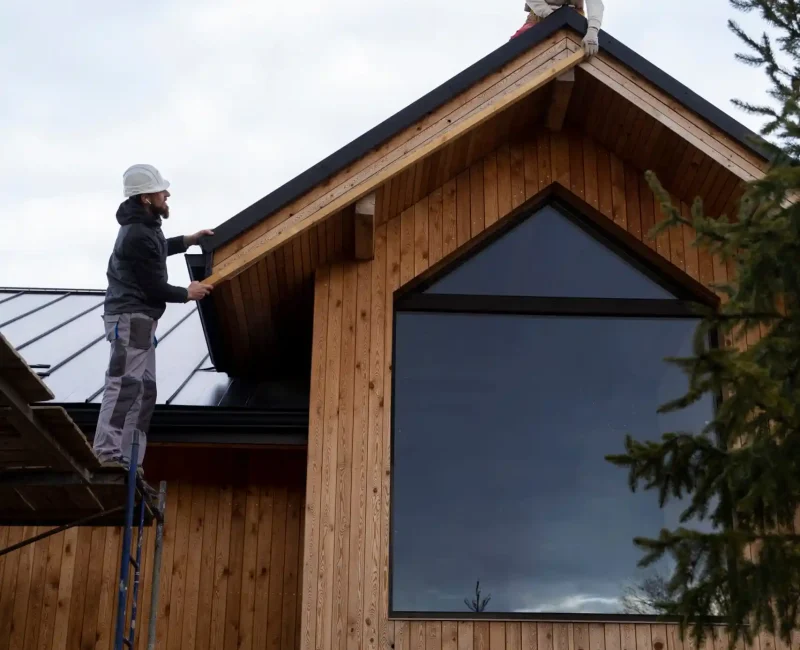
West Allis 53214 Window Replacement Priority
West Allis 53214 is one of the most important local priority zones for this page because it combines stronger winter exposure with meaningful wind pressure and repeated freeze-thaw stress.
Lake-Effect Window Performance 53214
- West Allis, 53214, requires a U-factor of 0.27 maximum for stronger winter performance in this guide
- Lake-effect wind makes DP40-rated windows the stronger practical choice in exposed areas
- Annual window review in January is useful after the heaviest freeze-thaw period
- Fusion-welded vinyl frames reduce warp risk under repeated local winter cycling
- Triple-pane upgrades become more attractive in colder or more exposed rooms
This local context matters because not every Milwaukee-area home experiences the same window stress. Exposure, wall direction, age of the opening, and winter wind behavior all change how quickly a window begins underperforming.
A homeowner in West Allis, 53214, should think about:
- stronger wind pressure
- colder-feeling openings
- higher value from tighter air-sealing
- more benefit from better glass packages
Milwaukee Window Replacement Cost 2026
A stronger window page should explain installed pricing clearly enough that homeowners can compare scope, style, and budget without guessing.
Installed Window Pricing Milwaukee Market
| Window Count | Vinyl Double-Hung | Casement | Fiberglass / Composite | Labor Included |
|---|---|---|---|---|
| 1 Window | $950-$1,300 | $1,100-$1,500 | $1,400-$1,800 | Yes |
| 5 Windows | $4,750-$6,500 | $5,500-$7,500 | $7,000-$9,000 | Yes |
| 10 Windows | $9,000-$12,000 | $10,500-$14,000 | $13,500-$17,000 | Yes |
| 20+ Windows | $17,000-$24,000 | $20,000-$28,000 | $26,000-$34,000 | Yes |
The key Milwaukee pricing point on this page is that window replacement is treated as running $950 to $1,800 installed per window when the system meets the performance thresholds outlined here.
That matters because a lower quote may not include:
- the same U-factor
- the same frame grade
- the same wind rating
- the same flashing scope
- the same installation method
A homeowner comparing quotes should ask:
- what U-factor is being installed
- whether the frame is fusion-welded
- whether the unit is DP40 rated
- whether the install is pocket or full frame
- what labor and warranty actually cover
Absolute Restorations installs window replacement systems in Milwaukee using Energy Star Most Efficient windows across West Allis, 53214, and surrounding cities. The licensed contractor (DCQ #081500053) specifies windows for –10 °F design temperatures, 43 freeze-thaw cycles, and DP40 wind exposure. Installed pricing on this page ranges from $950 to $1,800 per window, depending on style, glass package, and installation method.
Absolute Restorations serves customers publicly from 3500 S 92nd St, Suite 2C, Milwaukee, WI 53228, while the contractor’s credential record is tied to 1326 S 74th St, West Allis, WI 53214. Window installation is performed under DCQ #081500053 and $2M liability coverage through Policy PC02-2025-02205. Milwaukee windows on this page are treated as requiring a U‑factor of 0.27 maximum, fusion-welded vinyl frames, and DP40 wind ratings for stronger local performance.
Absolute Restorations installs Milwaukee replacement windows designed for stronger winter comfort, lower air infiltration, and longer frame stability. The licensed contractor installs windows for homeowners across Milwaukee and nearby cities using frame, glass, and installation standards matched to local weather conditions. Free inspections help homeowners determine whether current windows are drafty, underperforming, or ready for full replacement.
Need Window Replacement in Milwaukee?
Absolute Restorations installs Energy Star Most Efficient windows under a licensed contractor (DCQ #081500053). U‑factor 0.27 max. DP40 wind-rated. Free window inspection. Fully licensed and $2M insured. Serving 20 cities.
FAQs
This page treats U-factor 0.27 maximum as the strongest practical Milwaukee standard for Energy Star Most Efficient window performance.
Installed replacement windows commonly range from $950 to $1,800 per window, depending on style, glass package, and installation method.
This page uses DP40 as the practical Milwaukee rating for windows that need to handle 40mph+ lake-effect gusts.
Milwaukee windows on this page are treated as facing 43 annual freeze-thaw cycles, which is why stronger frame and sealing specifications matter.